
About Bennett Blum, MD

Biography and Curriculum Vitae
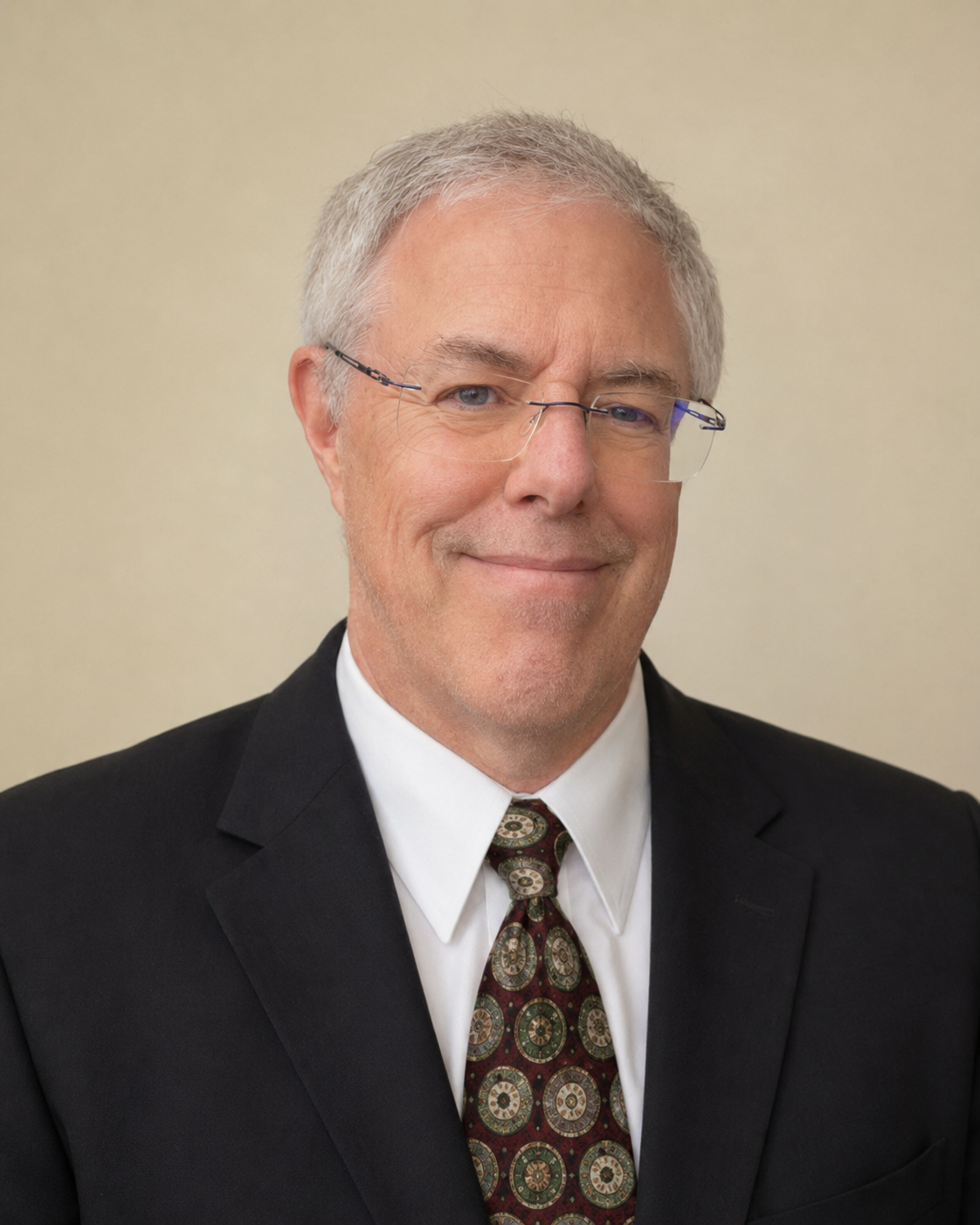
Bennett Blum, MD is a forensic and geriatric psychiatrist whose work focuses on undue influence, mental and testamentary capacity, elder financial exploitation, coercion, consent, and vulnerability to manipulation.
Dr. Blum has consulted on legal matters throughout the United States and internationally, including probate, trust, estate, elder financial exploitation, professional-misconduct, fiduciary, criminal, and high-stakes civil matters involving complex psychiatric questions.
His work is especially relevant when attorneys and courts must evaluate whether a person could understand, appreciate, resist, verify, and decide under the conditions that existed at the relevant time.
Dr. Blum is board-certified in psychiatry and completed fellowship training in forensic psychiatry and geriatric psychiatry. He is a Clinical Associate Professor of Psychiatry at the University of Arizona College of Medicine.
Core Forensic Focus
Dr. Blum’s forensic psychiatric work centers on the relationship between capacity, vulnerability, coercion, undue influence, and meaningful consent.
He assists attorneys and courts in matters involving testamentary capacity, mental capacity, diminished capacity, contractual and donative capacity, elder financial exploitation, fiduciary abuse, professional authority, coercive influence, and vulnerability to manipulation.
His evaluations and consultations are grounded in records, behavior, chronology, relationship dynamics, and the decision environment surrounding the disputed act.
Litigation, Government, and Tribunal Experience
Dr. Blum has served as an expert witness and litigation consultant in matters throughout the United States and internationally.
His experience includes the United Nations trial of General Pavle Strugar, the first full competency hearing at an International War Crimes Tribunal since Nuremberg. He has also worked with government agencies, law enforcement, and research institutes on issues involving undue influence, coercion, elder financial exploitation, and vulnerability.
In 1999, Dr. Blum was the only mental health expert asked to testify before the U.S. Senate Committee on Commerce, Science, and Transportation at its hearing on fraud targeting seniors. From 2002 to 2004, he served as a technical advisor to the Research Triangle Institute for its national study on elder financial exploitation, which informed the Administration on Aging’s Financial Exploitation of Older Persons report.
In 2005, he participated in an invitation-only policy development conference for the White House Conference on Aging. In 2009, the U.S. State Department sponsored lectures by Dr. Blum at the Court of Bosnia and Herzegovina on forensic psychiatric analysis of undue influence claims in war-crimes trials.
In 2022-2023, Dr. Blum served as a consultant to the prosecution in competency proceedings arising from cases connected to the Rwandan genocide.
Education and Publications
Dr. Blum is a Phi Beta Kappa graduate of the University of Arizona. He received his medical education from the University of Arizona and completed psychiatric training at the University of California, Los Angeles.
His work has been published by the National College of Probate Judges, state bar associations, and major psychiatric reference texts, including chapters on forensic issues in geriatric psychiatry, elder abuse, mental capacity, and undue influence in the seventh and eighth editions of Kaplan and Sadock’s Comprehensive Textbook of Psychiatry.
His work on undue influence assessment also appears in Assessment of Older Adults with Diminished Capacity: A Handbook for Psychologists, published jointly by the American Bar Association Commission on Law and Aging and the American Psychological Association.
Professional Affiliations and Invited Presentations
Dr. Blum has held professional membership, committee, and leadership roles in organizations concerned with forensic psychiatry, geriatric psychiatry, elder abuse, and professional ethics. He has also delivered invited lectures and professional training for courts, government agencies, bar associations, universities, and professional organizations in the United States and internationally.
Services for Attorneys
Attorneys may review Dr. Blum’s services concerning undue influence, elder financial exploitation and fiduciary abuse, testamentary capacity and other mental capacity assessments, and forensic psychiatry litigation consulting. Consultation may begin before counsel determines whether a testifying expert will be needed.
Attorney Case Inquiries
Attorneys may also be interested in Articles and Resources, Testimonials, or can submit a non-confidential attorney case inquiry through the Contact page.
Do not send confidential materials, protected information, records, pleadings, discovery, medical documents, financial documents, deposition transcripts, estate-planning documents, or other case materials until conflicts have been checked and a written engagement agreement is in place.
Selected Professional Affiliations



Selected Invited Lectures and Professional Training